
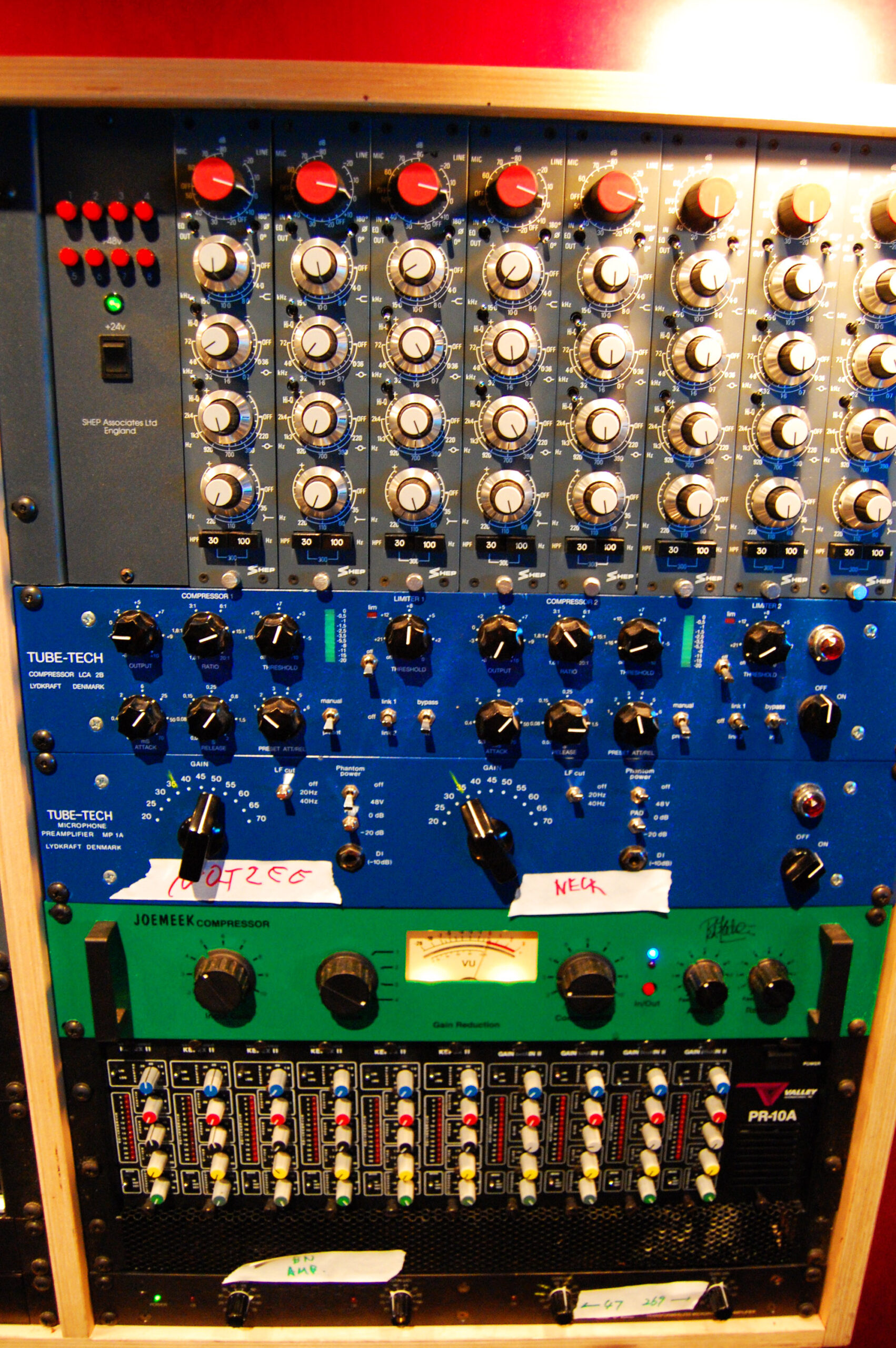
If you are new to recording vocals and want a clean, repeatable starting point, this is the chain I heard Kuk Harrell walk through in a Mix With The Masters session. It lines up with a public note from a Sound On Sound interview where he shared his preferred signal chain. I am writing this as a practical reference so you can focus on the performance instead of overthinking the gear.
The microphones
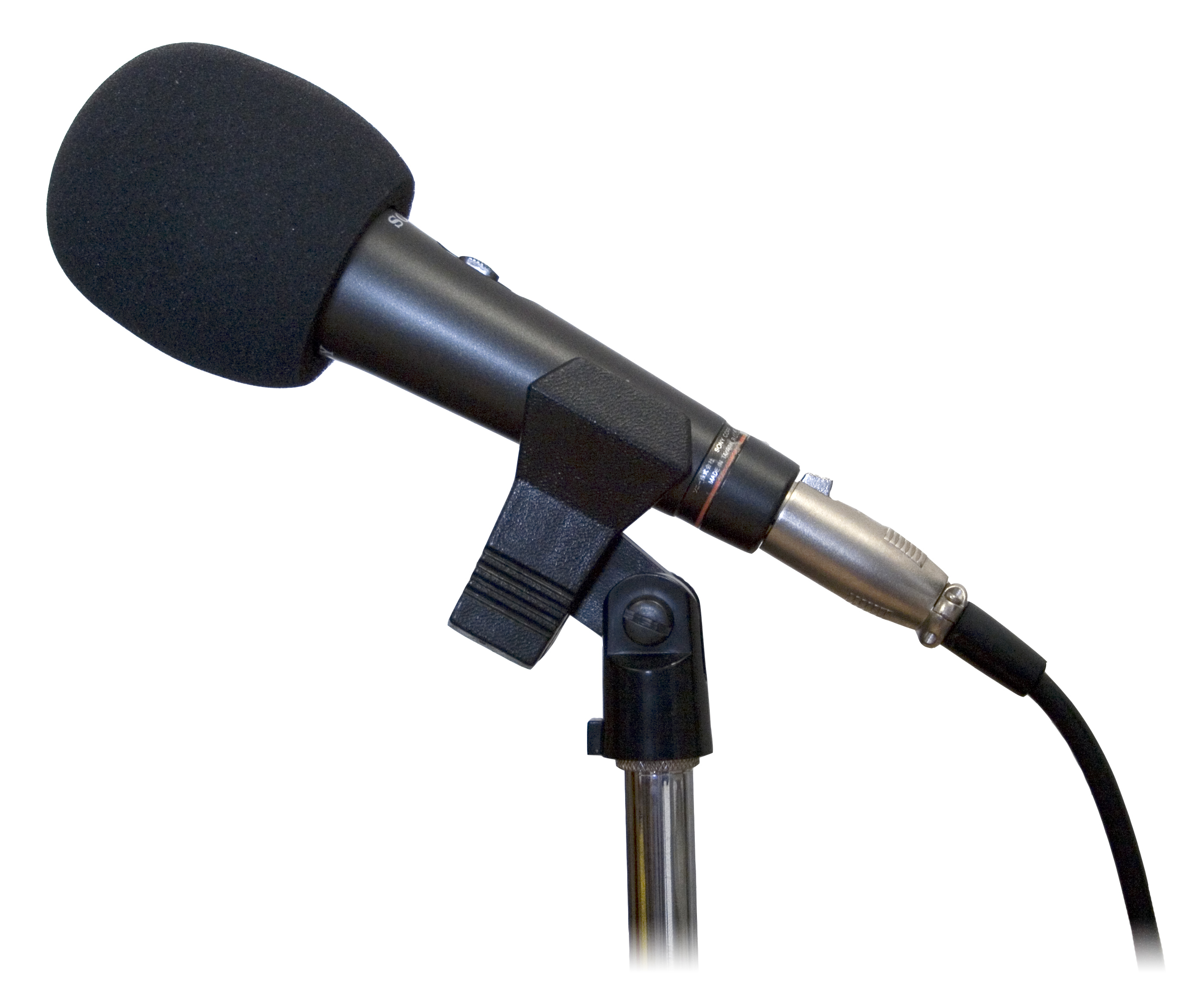
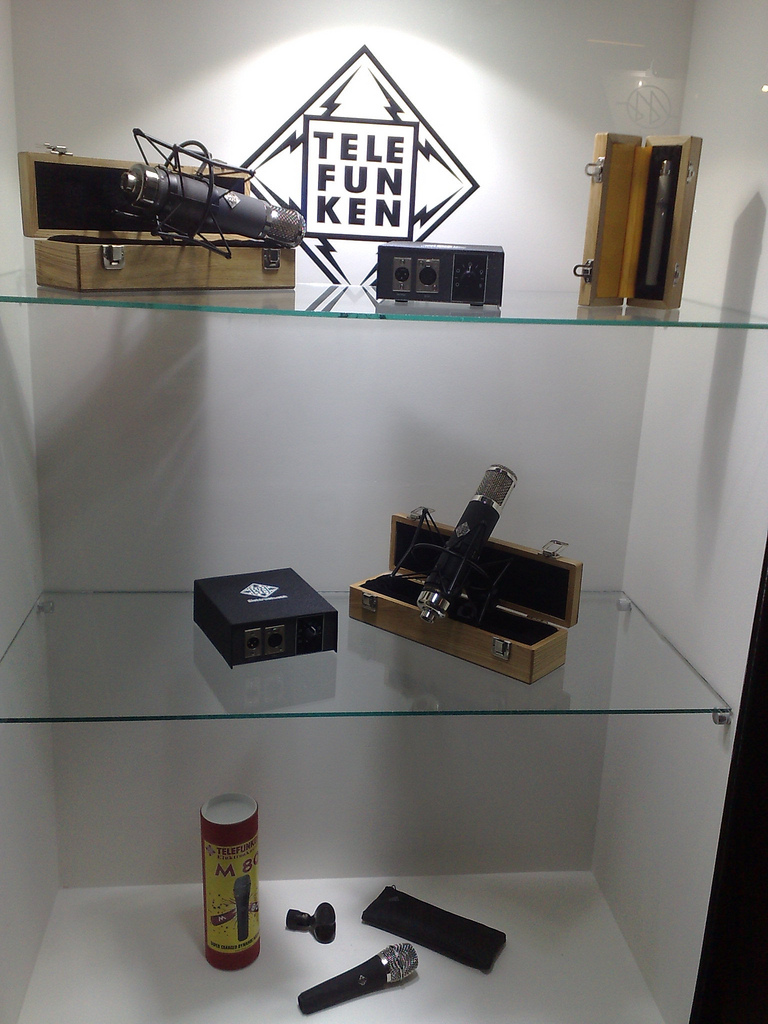
When Kuk wants a glossy, polished top end he reaches for the Sony C 800. When he wants a warmer, rounder tone he will swap to a Telefunken 251. These microphones are five figure pieces of gear, but you do not need them to make a great record. A great take beats a great mic every time. Use what you have, even a simple SM57, and put your energy into the song and the delivery. The photos below show comparable Sony and Telefunken microphones for context.
Song over gear. Every time.
The preamp
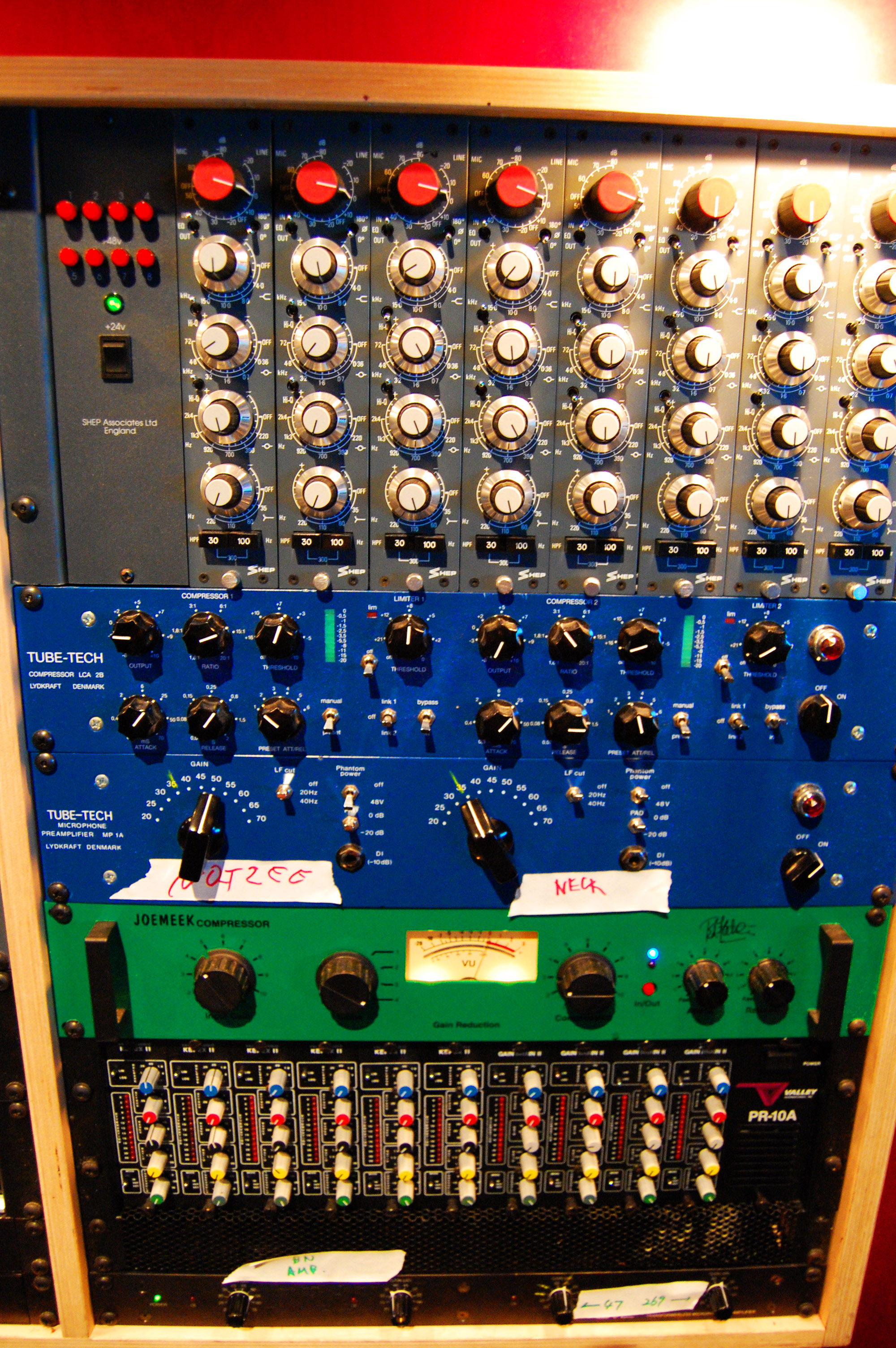
In the Sound On Sound interview, Kuk described his preferred chain as a Sony C 800 into a Neve 1081 mic pre, then a Tube-Tech CL 1B compressor. In the Mix With The Masters session, he emphasized the preamp tone and did not print any EQ on the way in. If you are using an Apollo Twin X, you can get close by putting a Neve style preamp in the Unison slot and focusing on the gain structure, not the EQ.
The compressor
The tracking compressor is the Tube-Tech CL 1B. He runs it in manual mode, keeps the ratio at 2 to 1, and sets the attack and release to their lowest values. He starts with threshold and output at zero, then watches the input and output meters. If the input light goes red, he backs off the preamp. If the output goes red, he reduces output gain. He is only aiming for about 1 dB of gain reduction, which keeps the vocal controlled without boxing it in.
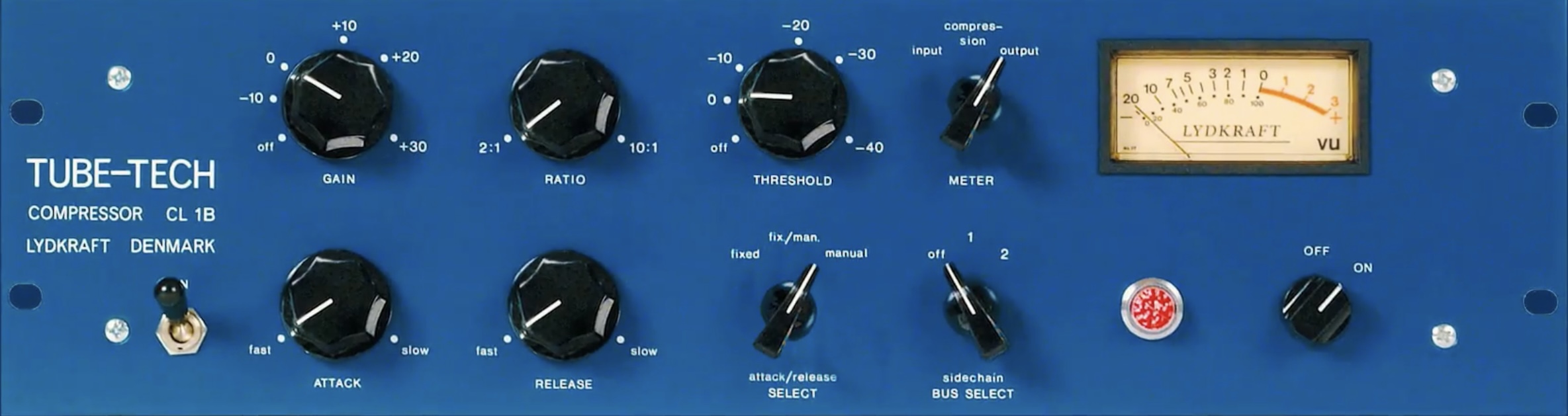
If you are printing compression on the way in, stay conservative. You can always compress more later, but you cannot undo what you tracked.
How to use this as a template
This chain is popular in modern pop, R and B, and hip hop because it is simple and musical. It gives you the tone, a little dynamic control, and a clean path into the DAW. Treat it as a starting point and adjust to the singer, the song, and the emotion you want.
Image credits: Rack photo by Justin De La Ornellas, CC BY 2.0, via Wikimedia Commons. Sony studio microphone photo by Zzubnik, Public Domain, via Wikimedia Commons. Telefunken microphones photo by Tiago Cassol Schvarstzhaupt, CC BY 2.0, via Wikimedia Commons.


If you want more hands on vocal templates, recording tips, and behind the scenes notes from my sessions, drop your email in the Kit form below. I send the best stuff to the newsletter first.